

Deck Staining and Sealing in Macomb Township, MI
Cleaning, brightening, staining and sealing for wood decks across Macomb Township. We test the boards for moisture before we open a can, apply to the label, and take the leftovers to county hazardous-waste collection.

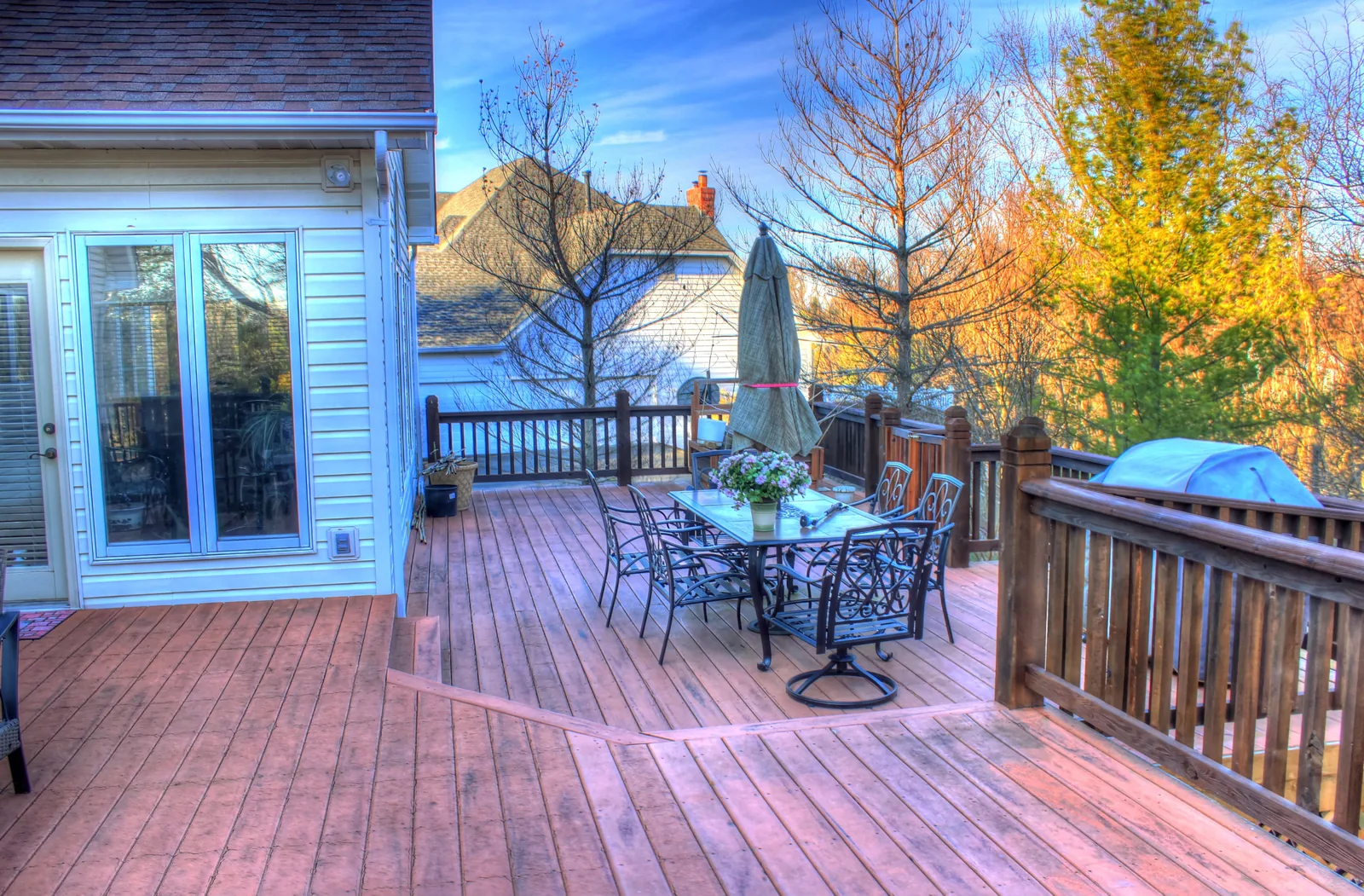
When is a Macomb Township deck ready to stain?
A Macomb Township deck is ready to stain when the wood is dry enough, not when the calendar says so. The gate is moisture content: roughly 15 percent or lower. Our field test is simple - sprinkle water on a board. If it beads, the wood is too wet or glazed; if it soaks in within about 10 minutes, it's ready. Michigan's staining window clusters May through September, and chasing it with a wet board wastes the job. Prep is most of the work here: finish laid over mill glaze or weathered gray fiber fails early. We clean, brighten, sand where needed, then stain or seal, and check the hardware before we leave.
- ✓ Wood cleaner and brightener on every job, not a bleach-and-go wash
- ✓ Light pressure washing with a fan tip, so the fiber does not fur
- ✓ Moisture tested on the boards themselves, never the forecast
- ✓ Penetrating and film-forming finishes, matched to the deck's age
- ✓ Fastener and hardware check while the deck is stripped bare
- ✓ Leftover stain set aside for county hazardous-waste drop-off
The numbers that gate a staining job
How the job runs, wash day to walkthrough
Most of a staining job is not staining. It's the prep and the wait. Here is the sequence we follow on every wood deck, whether it's a 1990s original in Waldenburg or a newer build near Macomb Corners.
Wash and brighten
Wood cleaner first, then a scrub or a light pressure wash to lift dirt, gray fiber and old failed finish. A brightener follows to neutralize the cleaner and open the grain. Skipping this step is how coats end up peeling.
Dry down to the moisture gate
Then we wait. The target is roughly 15 percent moisture content or lower, confirmed on the boards. Water beading on the surface means not yet; soaking in within about 10 minutes means go.
Stain or seal, per the label
The manufacturer's instructions govern everything: temperature range, number of coats, back-brushing, dry times. We work board to board so lap marks do not set, and do railings and spindles by hand.
Walkthrough and care notes
We check hardware and fasteners while everything is visible, walk the deck with you, and leave plain-language notes: when foot traffic can resume, how to spot a finish that is done, and where leftover product goes.
Prep before product
Cleaner, wash, brightener - every job, every time. New wood carries mill glaze and weathered wood carries dead gray fiber, and finish over either fails early.
The moisture gate
We test the wood, not the forecast. A sunny week means nothing if the boards are still holding water from the last storm.
Label-spec application
The manufacturer's instructions govern the finish - temperatures, coats, recoat windows. Improvising past the label is how warranties and finishes both die.
Legal disposal
Leftover stain, sealers and solvents go to county household-hazardous-waste collection, never down a drain. The township's annual HHW day at Township Hall takes them too.
Why have us stain your deck?
Anyone can rent a sprayer. The jobs that hold up are won in the prep, the wait and the product choice - and in knowing what the 20-to-30-year-old subdivision decks around here actually need.
Moisture-tested, always
No stain goes on until the boards pass the water test. That single habit prevents most early failures.
Straight finish advice
Penetrating oils wear gradually and recoat easily. Films last longer but peel, and peeling means stripping.
CCA-era know-how
Pre-2004 decks are likely CCA lumber. EPA notes penetrating coatings may reduce leaching, so we keep those decks on a recoat habit.
Prep-heavy by default
Cleaner, controlled wash, brightener. The finish is only as good as the surface under it.
Built for this housing stock
From West Park Estates to the newer builds, the first wave of 1990s builder decks is due.
Disposal handled
Leftover product is staged for county hazardous-waste collection - not left in your garage, not poured out.
Deck work we handle across Macomb Township
New builds, resurfacing, repairs, staining and covered structures, all run by one local crew.
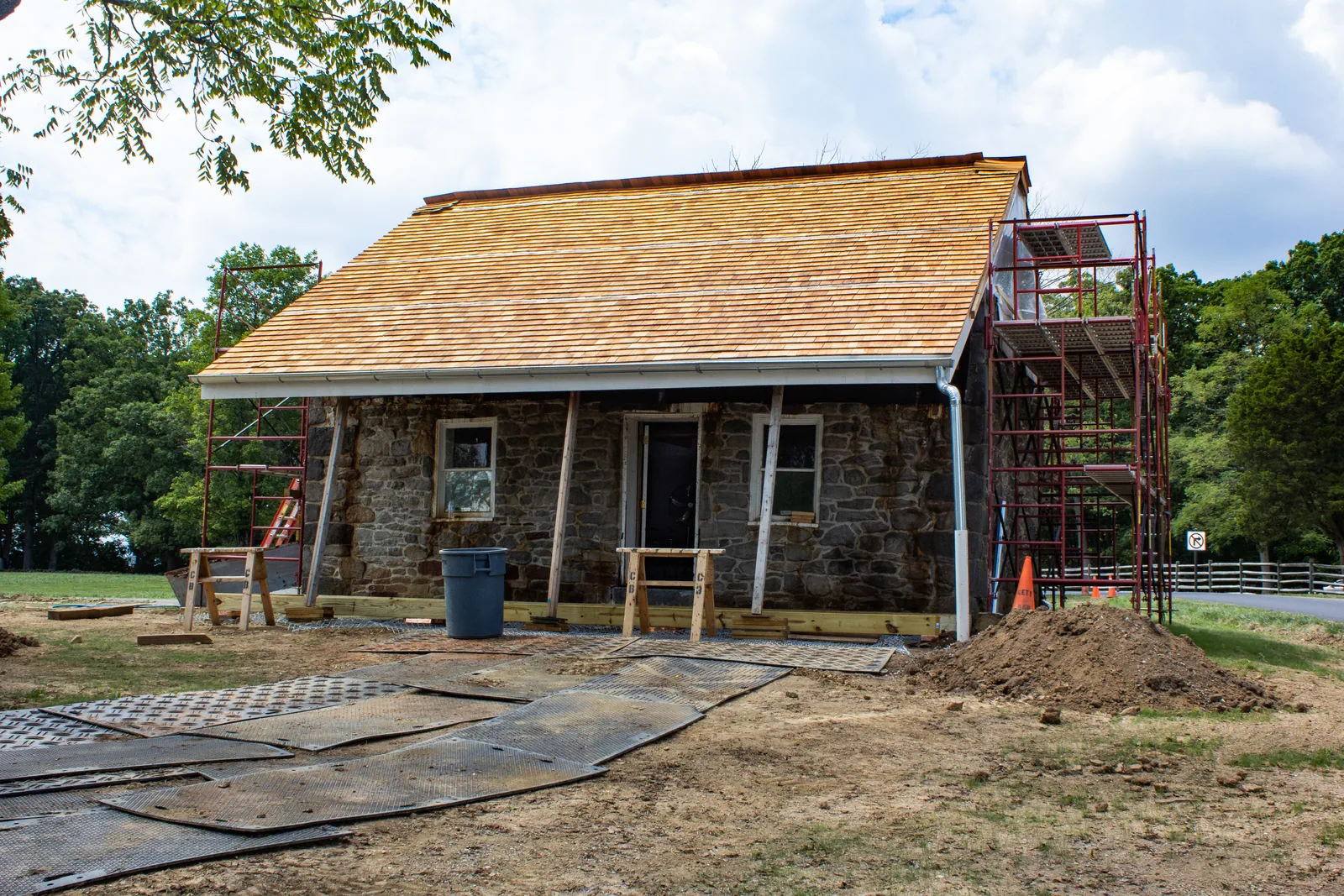
New Deck Construction
Design, permits and a code-first build, from open footing holes to final inspection.
Learn more →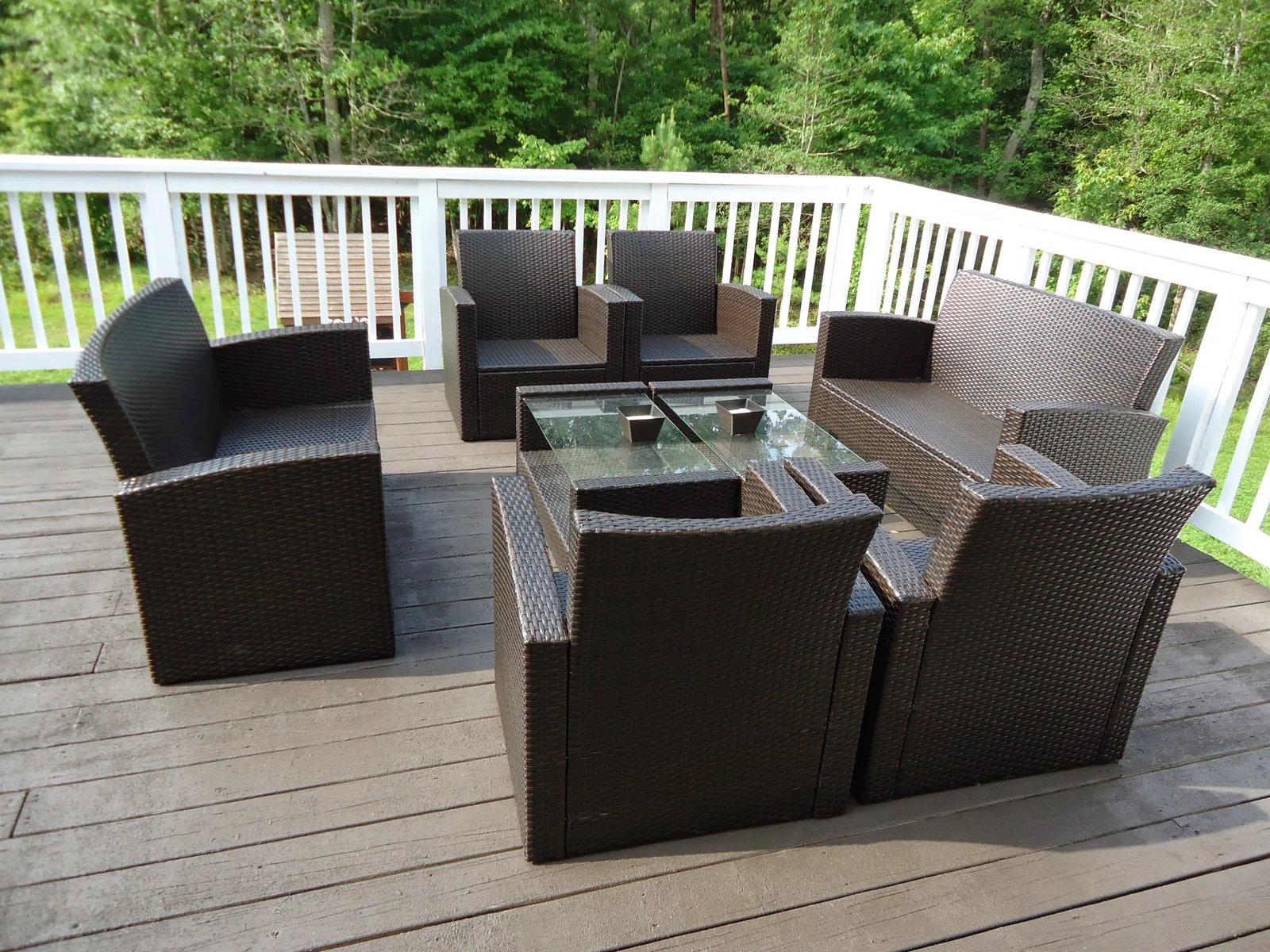
Composite Decking
Capped composite installed to the letter of the manufacturer's gapping and fastening specs.
Learn more →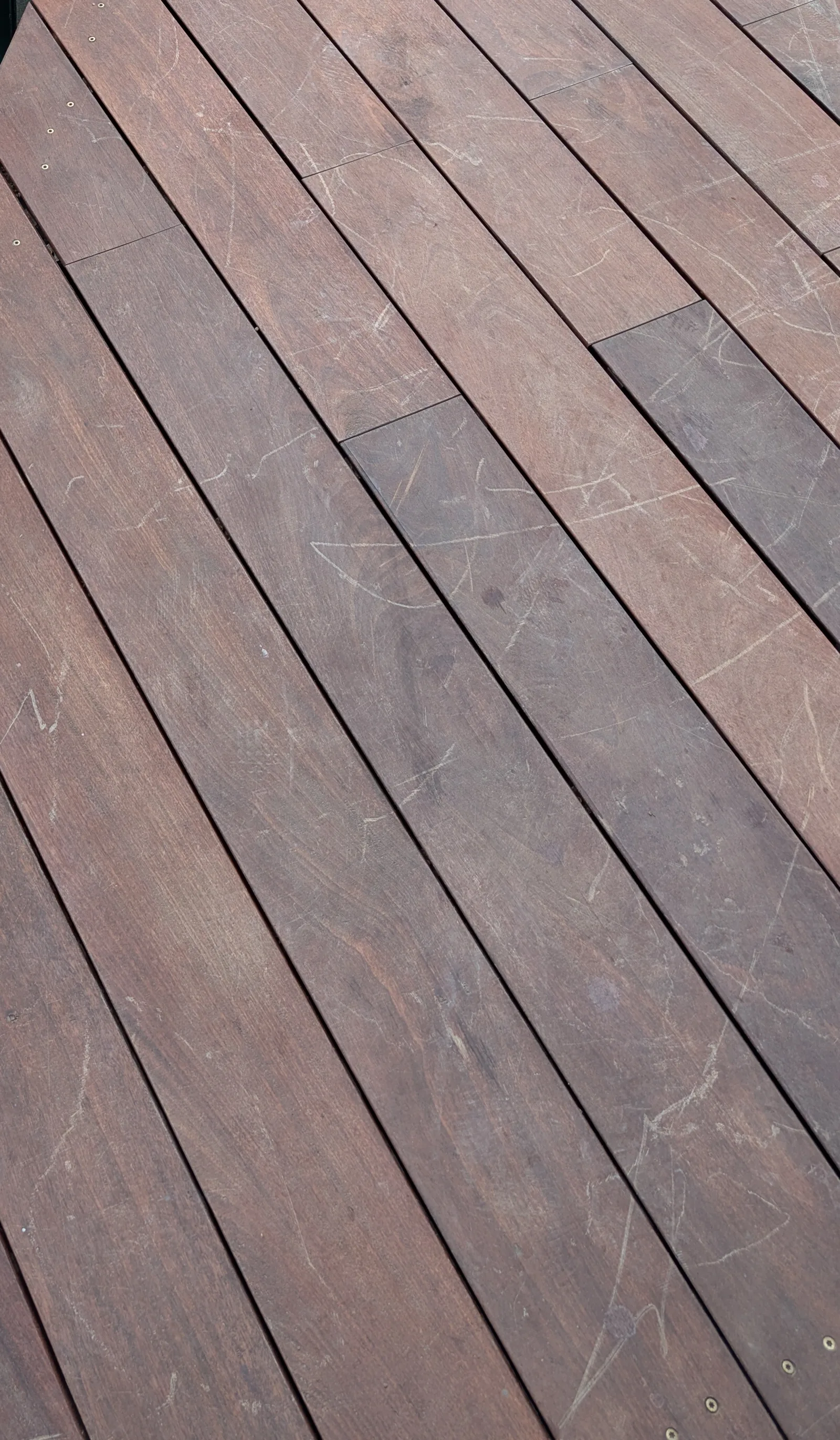
Deck Resurfacing
New boards and rails on your sound existing frame, the budget path to a fresh deck.
Learn more →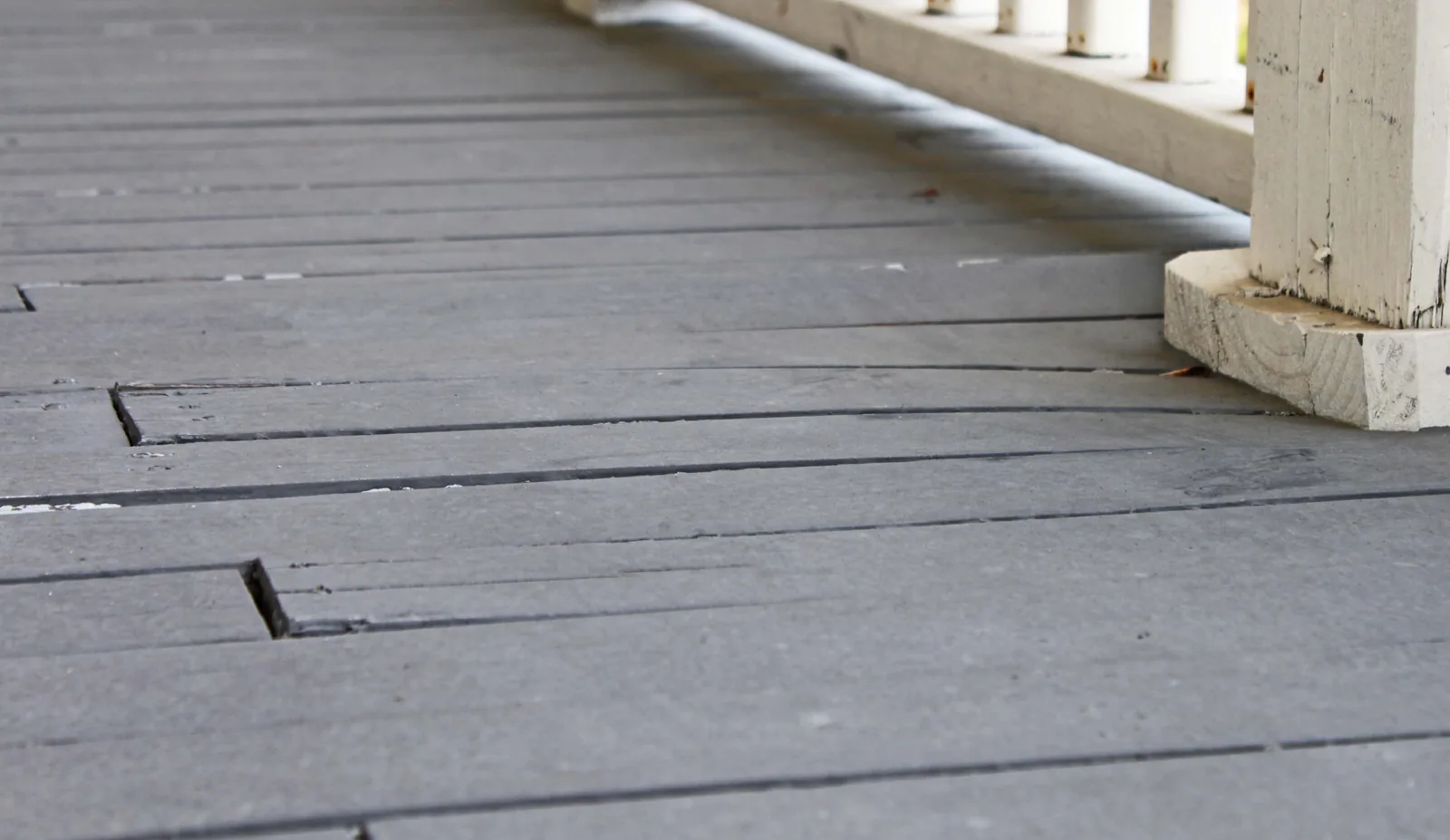
Deck Repair
Soft boards, loose rails, rusted hardware and shaky stairs, diagnosed and fixed honestly.
Learn more →Deck Staining
Cleaning, brightening and finish applied only after the wood passes the moisture test.
Learn more →
Covered Decks
Covered decks, porch roofs and screened conversions, engineered before they are sold.
Learn more →Deck builders across Macomb County
Based in Macomb Township, covering both township ZIP codes and the towns around it, from Romeo and Washington Township down to Mount Clemens and out to New Baltimore. Same crew, same written quote, no out-of-area surcharge inside the county.
Deck staining questions from local homeowners
Ready when the ground thaws
Build slots for the April to October season book up through spring. Call now or send the form and we will walk your deck with you, then put a quote in writing.